Surveillance Capitalism and Data Privacy
19 July, 2021
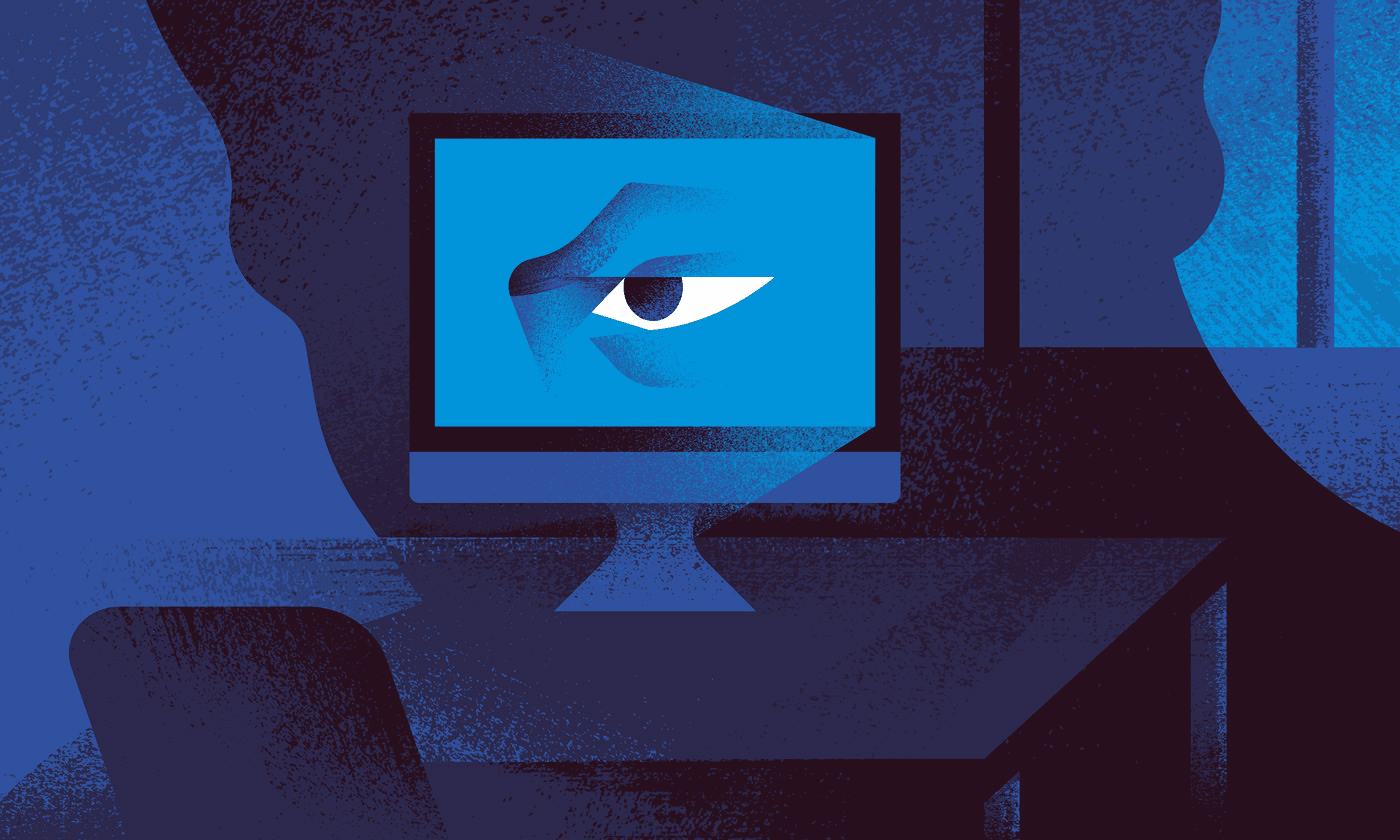
Have you ever talked to your friend about some product and then seen an advertisement for it the next time you're surfing the web? Well, it may be fascinating how specific target marketing has grown all over the internet in the last decade. This is an example of data collection that the big tech companies have been doing since forever. It does not sound as concerning when seen from a distance, but the ownership of user data provides these tech giants with power and influence over the market.
It starts from accepting the “Terms of Service” of literally every app, website or device wherein they gain access to user activity by tracking their cookies, collecting user data more than necessary for the service in question. Data vacuuming is done by implementing euphemism and embroidery by the tech companies and the users remain unaware of their real purpose. Every action on the web is considered as “data” which is supplied to anyone willing to buy it. A particular user’s data, when collected from all over the internet and analyzed, allows companies to potentially know everything about the user, including their behavioral patterns which can be used to shape our preferences. Tech giants like Facebook have enough data to know their users’ political views and even influence them. Cambridge Analytica, a data analytics firm, which was funded by a Trump supporter to work for Trump’s campaign in the 2016 US elections allegedly collected data of more than almost 90 million Facebook users without their consent and created psychographics based on their profiles to change their political inclinations.
The root of the problem is that instead of considering all this data as public information and using it for public welfare and improving individual lives, it is being capitalized. People are now starting to notice and oppose this invasion of privacy and manipulation done by inducing anxiety and creating addictive platforms. Shoshana Zuboff, an internet privacy advocate says that there is a serious need for drawing a line to what should be considered as data. The value of data depends on how this personal information can be utilized by various structures in the society like the advertising, political, socioeconomic industries to make money and gain power. The race for perfecting the predictability model to optimize behavior is huge. An ideal solution to this would be to bring up laws that clarify the ownership of user data and a tech environment for the users to control their data and determine whether to share that personal information with someone. Though it seems necessary, governments won't take this step as they need to keep tabs on their citizens which is also done by collecting data.
If we truly want to empower people, then we need to develop a solution that will help them store their data “in one place”. Such a storage solution will give them full control over personal data and a digital safe zone in an increasingly monitored internet. The problem is that there are no user-friendly storage options, which are safe from the prying eyes and sticky hands of corporations and governments. However, Fairdrive is a developing technology which is a logical drive that will store all of the individual’s data in one place and will be controlled entirely by the said individual. The data is stored in a decentralized and encrypted storage called Swarm which only you can access with your private key. This enables all of an individual's applications to access, exchange or share the same data! Data stored in Fairdrive becomes a “common good” for all the apps running on top of it. Nevertheless, Fairdrive is not popular yet, so its disadvantages cannot be clearly determined and so its use is not recommended until further study.
However vulnerable this situation seems, a user can always take it upon themselves to protect their data by being relatively invisible. Some precautionary measures are:
1. The less data we cultivate, the better. This is the “Reduction” strategy tantamount to “Less is more!”. The idea is, the data that cannot be created, can’t be collected, analyzed, stored or sold. These tactics include:
Withholding information in registration forms by not filling the unnecessary fields.
Deleting unwanted apps/software, using Privacy Badger and NoScript to block cookies and third parties from collecting data.
2. The second strategy is “Obfuscation” which encompasses the idea of “Hiding in the crowd!”. The motive is to confuse the data analysing companies with noise and false/confusing information. This mixed data of true and false information does not give out your complete identity.
These tactics include:
Using VPNs and tools like Adnasium (creates noise by clicking on random advertisements) and TrackMeNot (misleads Google by generating random search queries, masking your real searches and questions), making it difficult for algorithms to predict one's online behaviour.
Creating several fake social media profiles with similar names or pictures.
3. “Compartmentalization” of data is the third strategy which is based on “Diversification of Profiles”.
These tactics include:
Having different usernames on social platforms and separating work and professional life by creating different emails for each.
Isolating valuable or personal data by storing it on a different device.
4. “Fortification” of data is akin to “My device, My rules!” which is based on creating barriers, restricting access and visibility.
These tactics include:
Using data encryption tools and browsing only via HTTPS protocol.
Installing an antivirus program and keeping it up to date.
Privacy is a human right and a matter of dignity as stated in Article-21 of the Indian Constitution. Sharing of data is necessary, what we have to make sure is that it is not at the cost of our privacy and morals. We can only hope to achieve a system where we need not be anxious about our privacy, neither would there be a need for this article. That would indeed be a utopian world.
Thank you for reading!